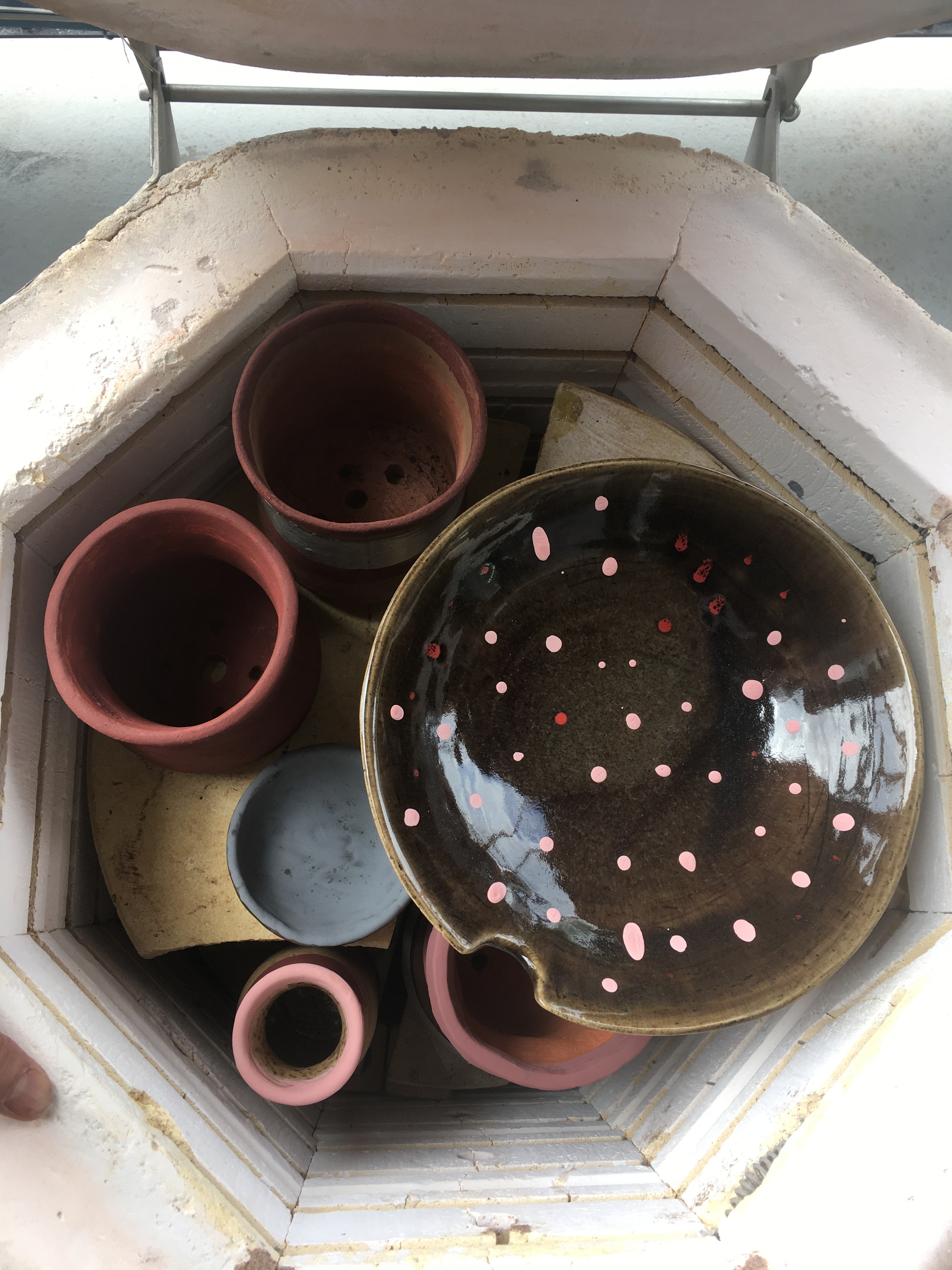
The final pieces, are not just why I keep doing this.
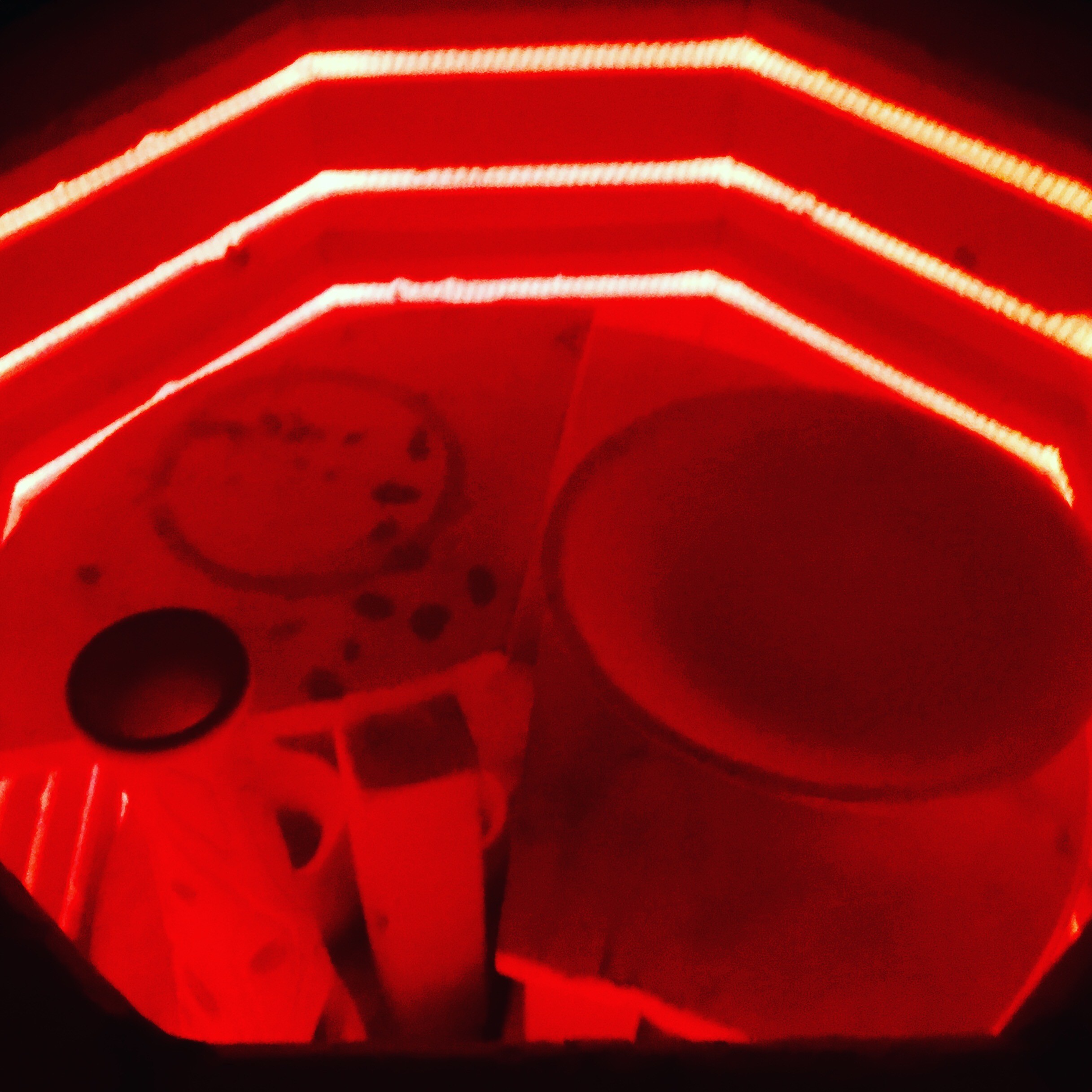
What you’re seeing here, it’s temperature made visible.
At this point, materials have stopped behaving like solids. Clay is locking in form, glazes are melting, gases are escaping. Everything is in transition.
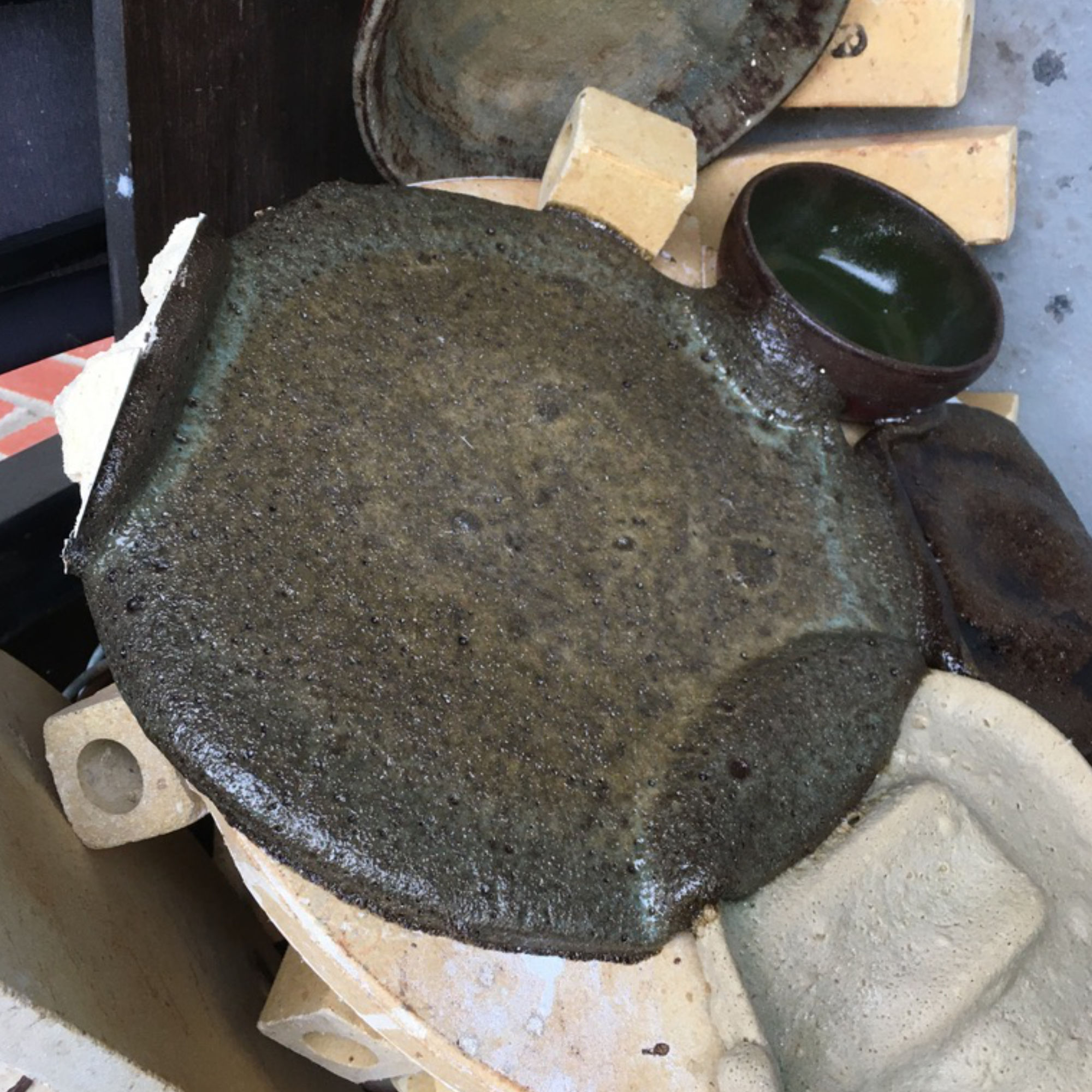
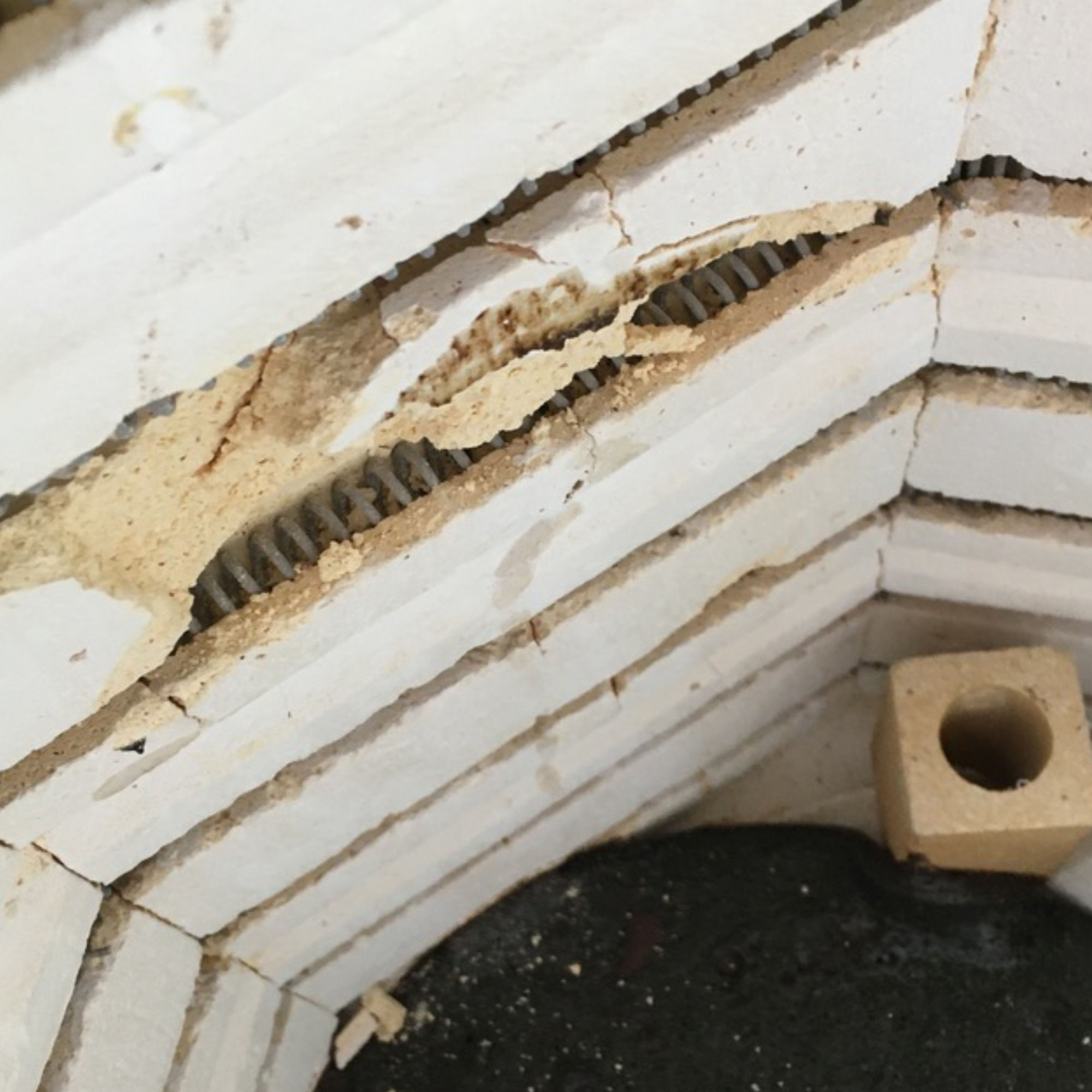
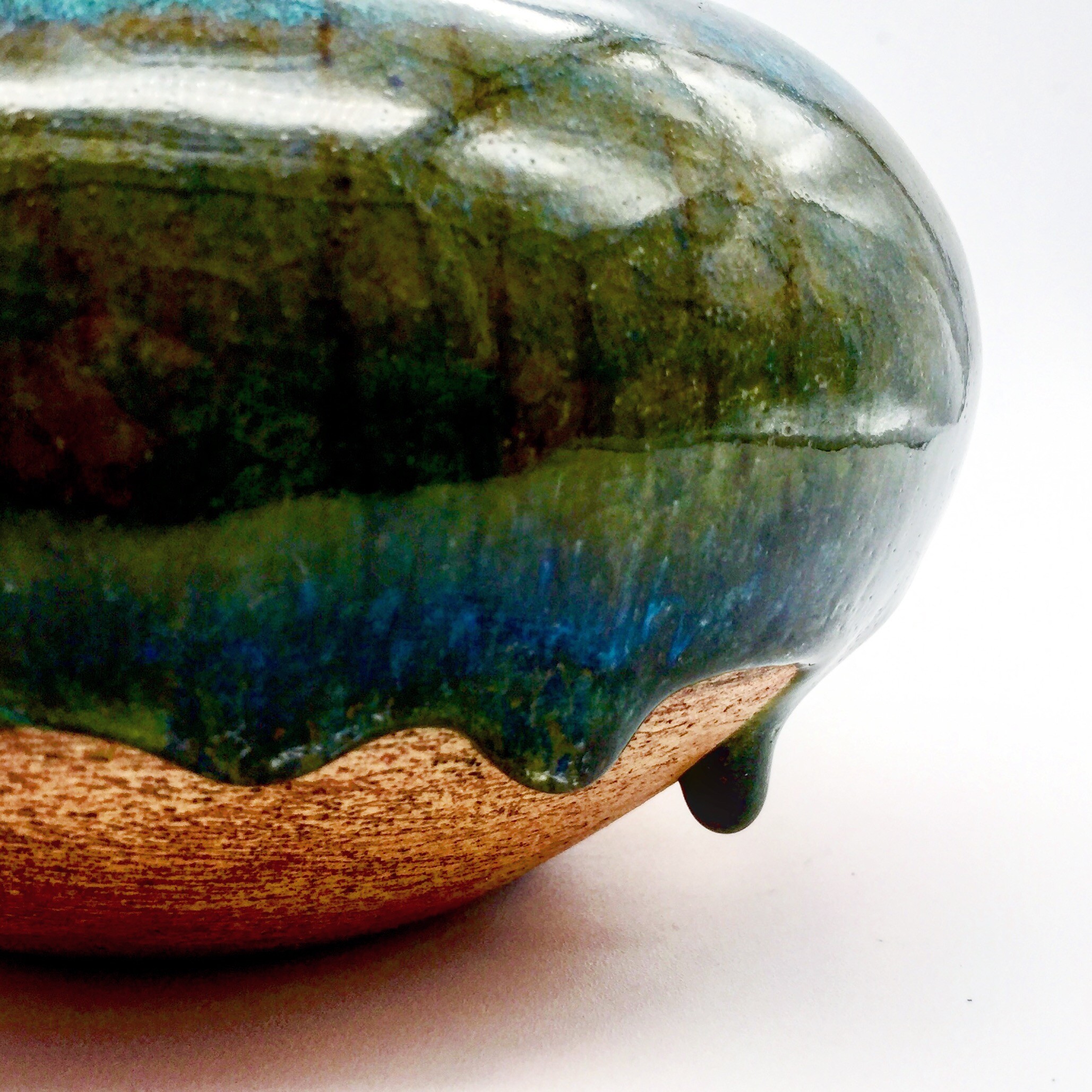
The glaze melted earlier than expected, ran off the piece, and kept moving. It fused to the shelves, kiln furniture, and bricks.
Once the lid closes, control gives way to heat, time, and chemistry.
From this point on, the kiln takes over.
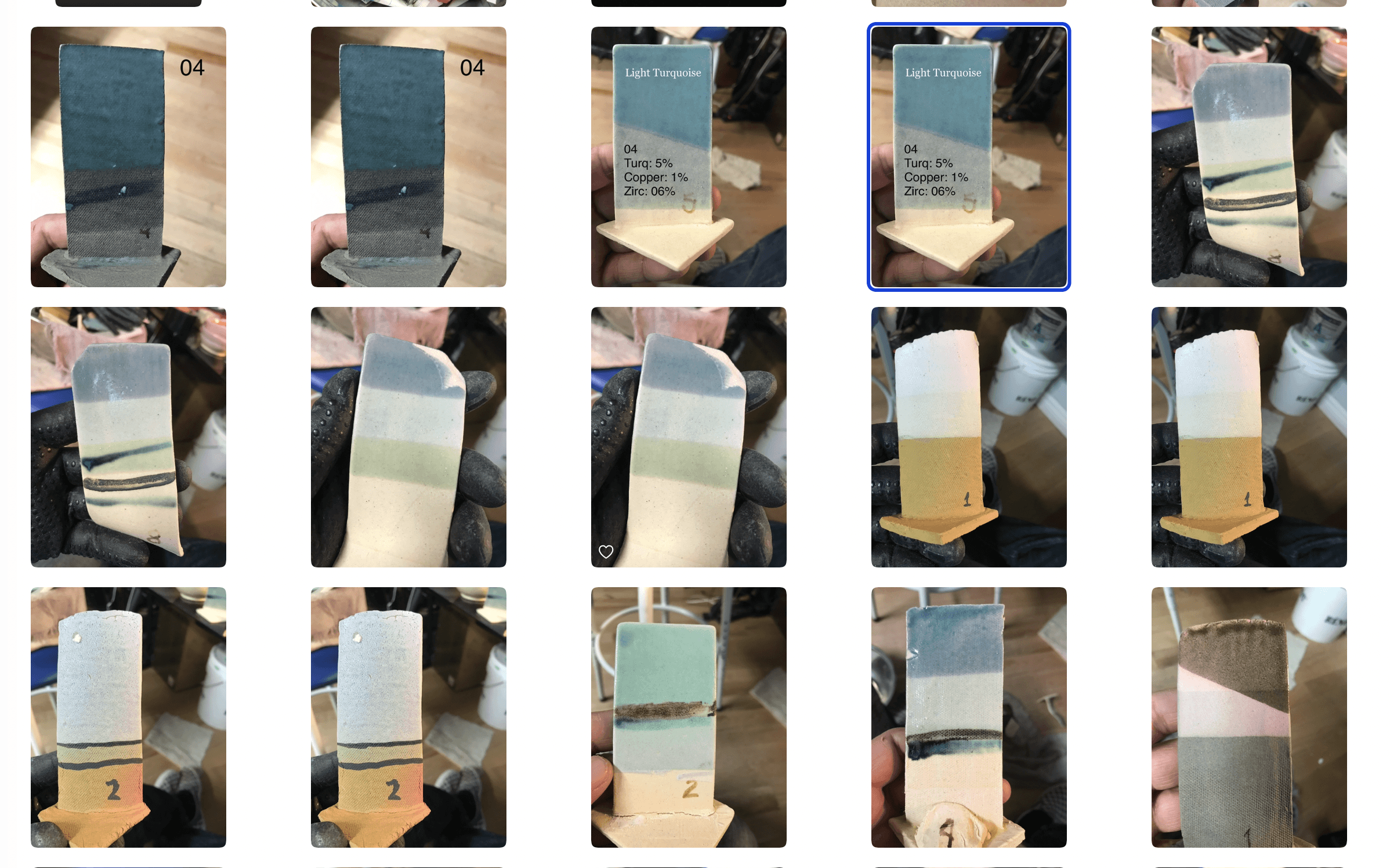
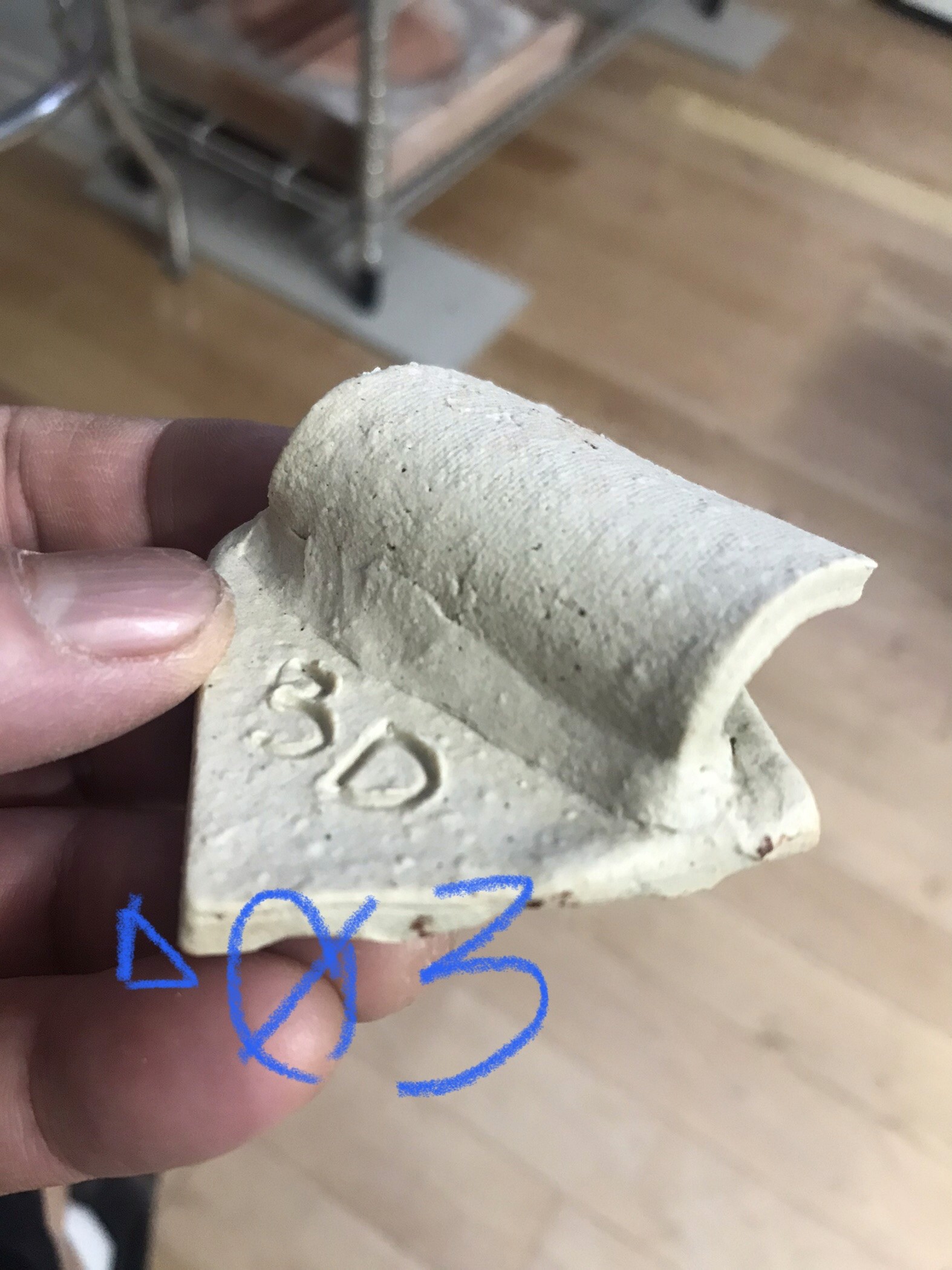
Testing tiles reduce assumptions.
A costly miscalculation. One misplaced piece, melted at high temperature, and damaged the kiln.
The glaze melted earlier than expected, ran off the piece — but the result was beautiful.
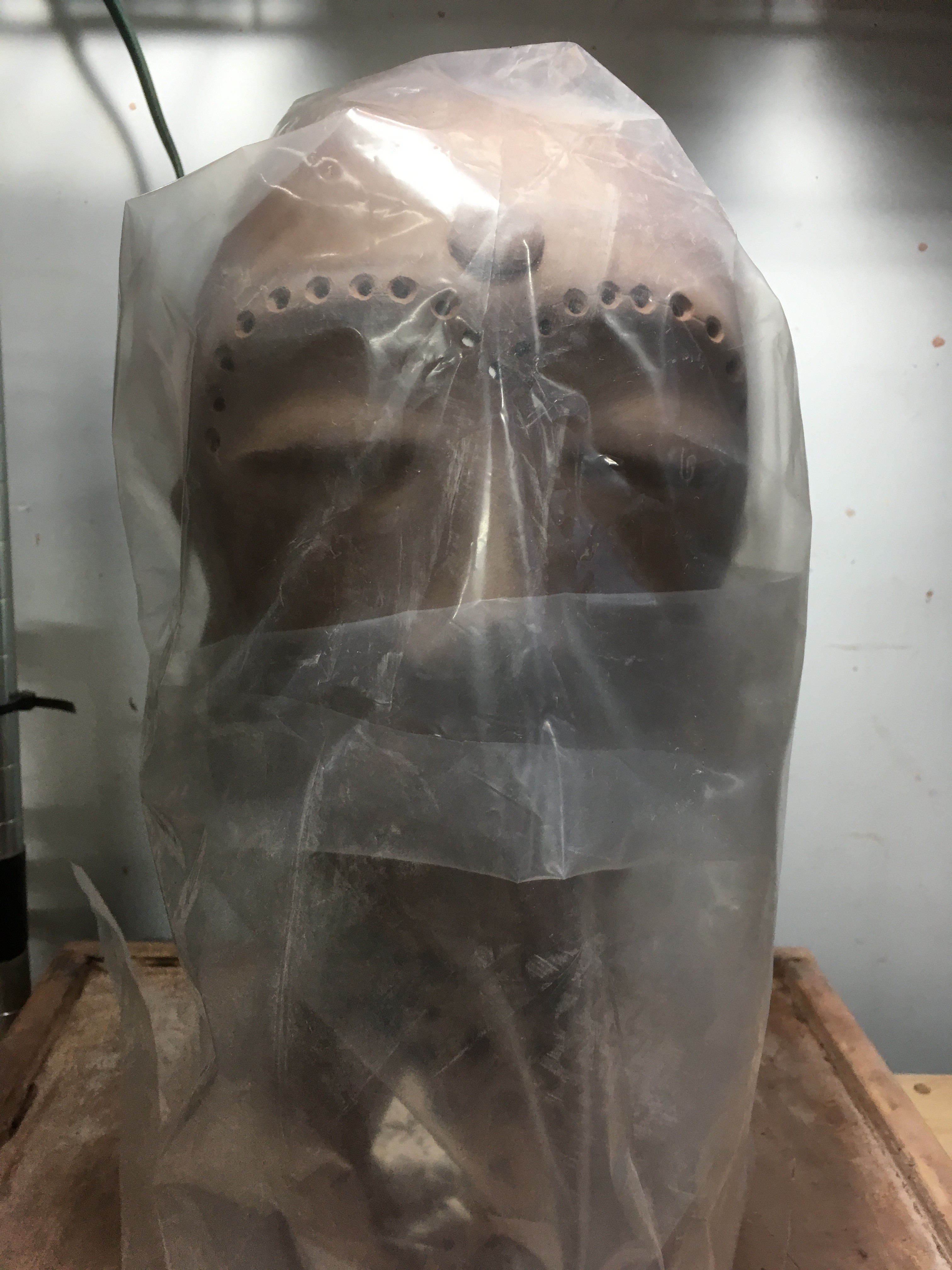
Slow, even drying is essential for sculpture.
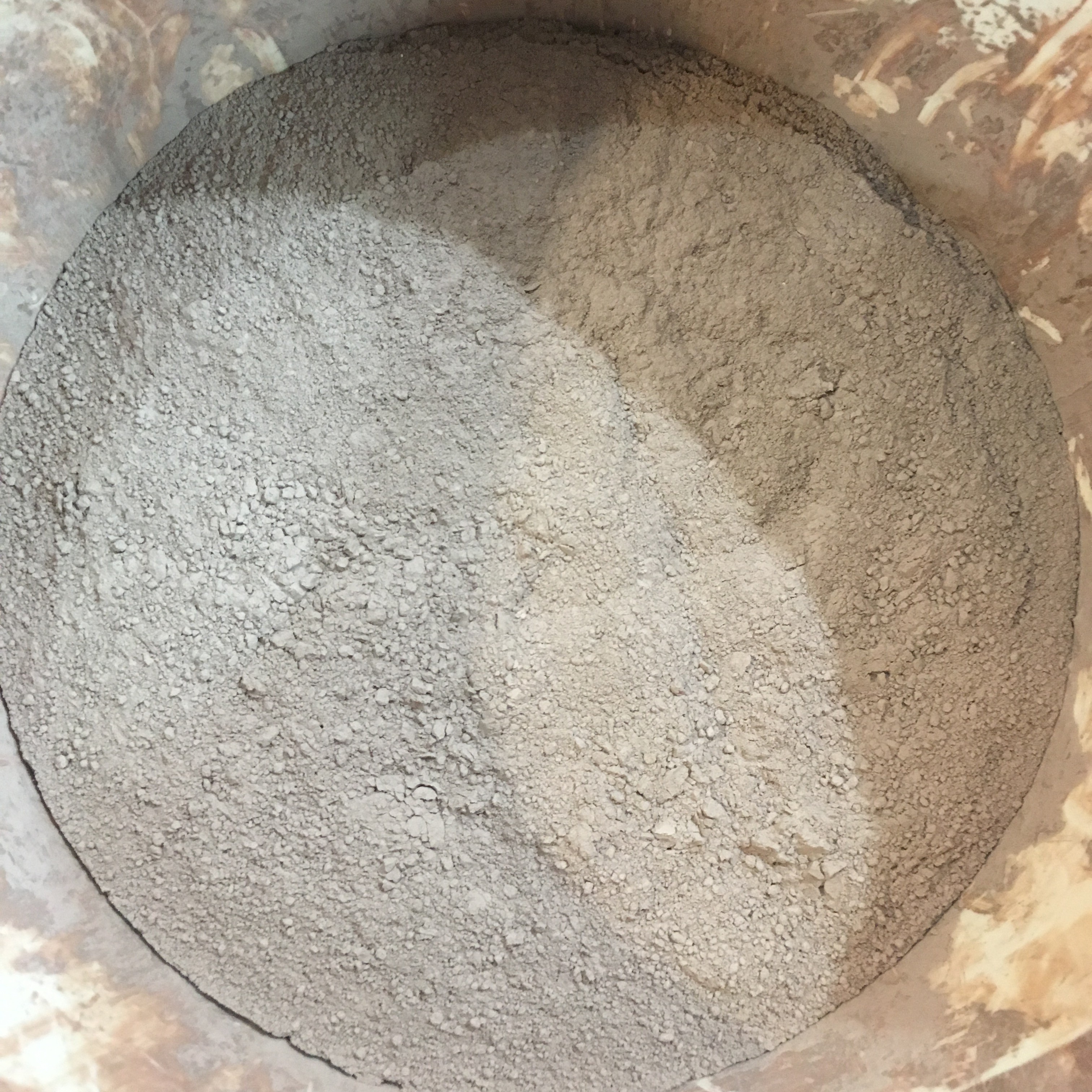
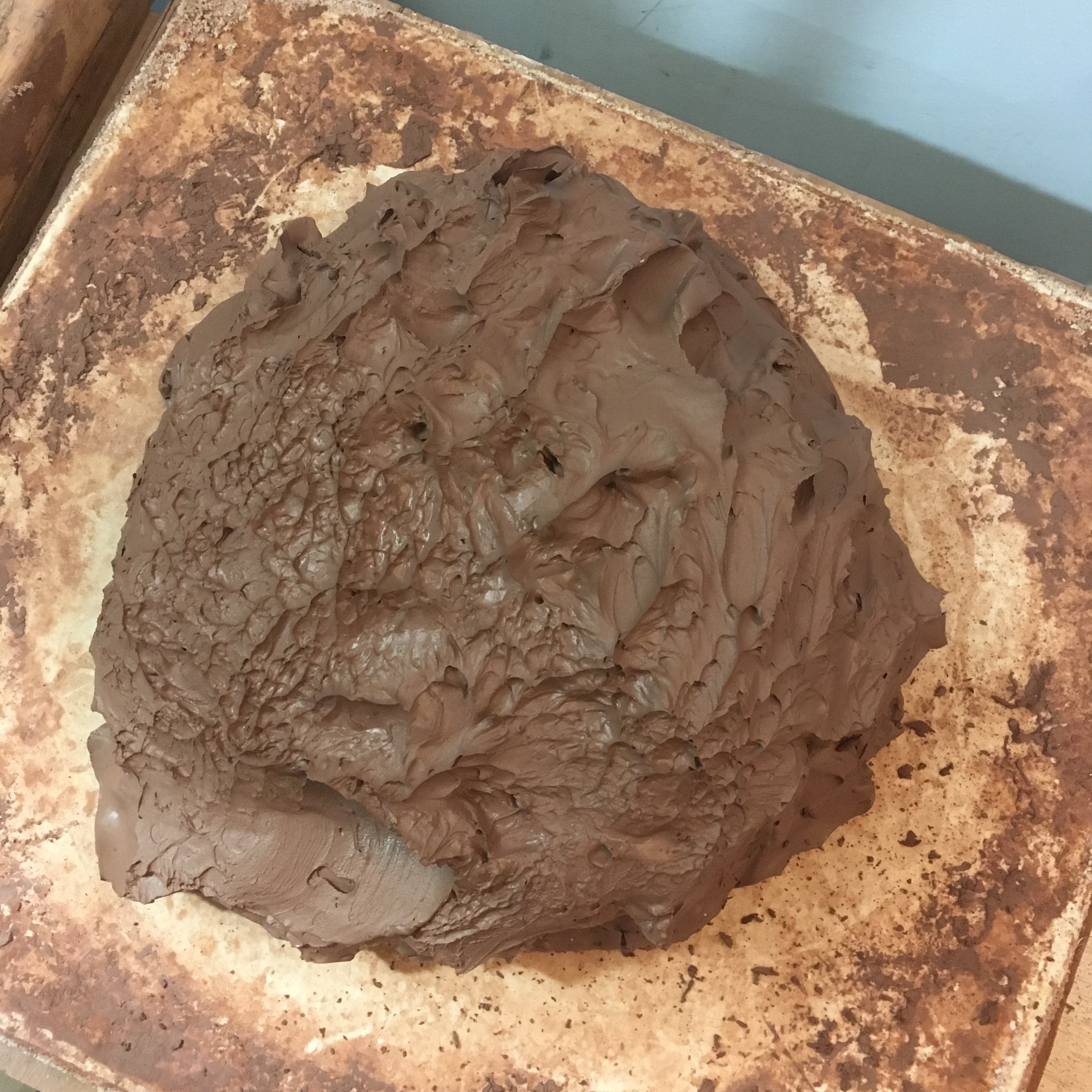
Ball clay. I use it as a base to create and test my own clay bodies.
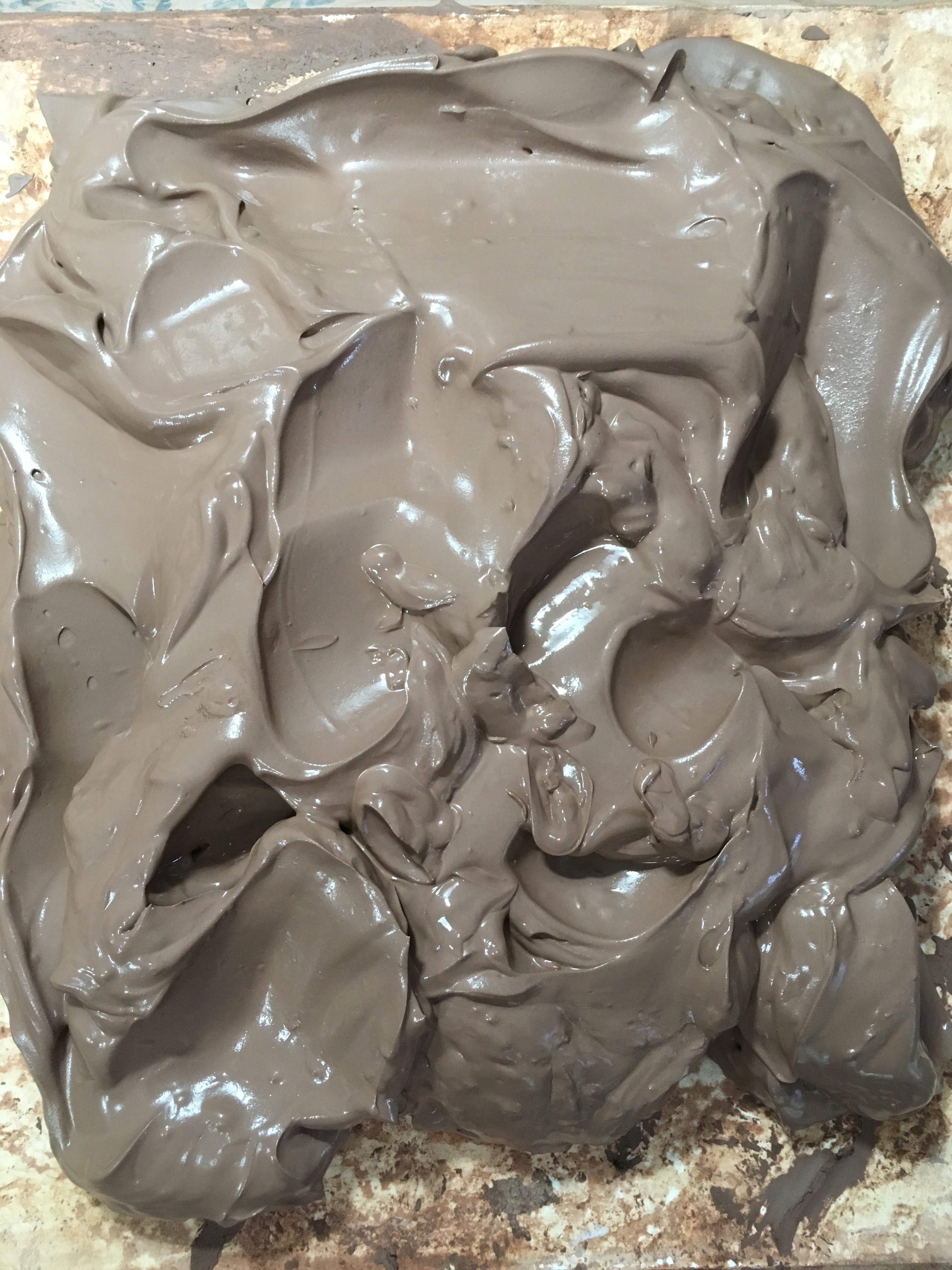
Ball clay, hydrated and blended with iron
A test tile made from a clay body containing too much feldspar.
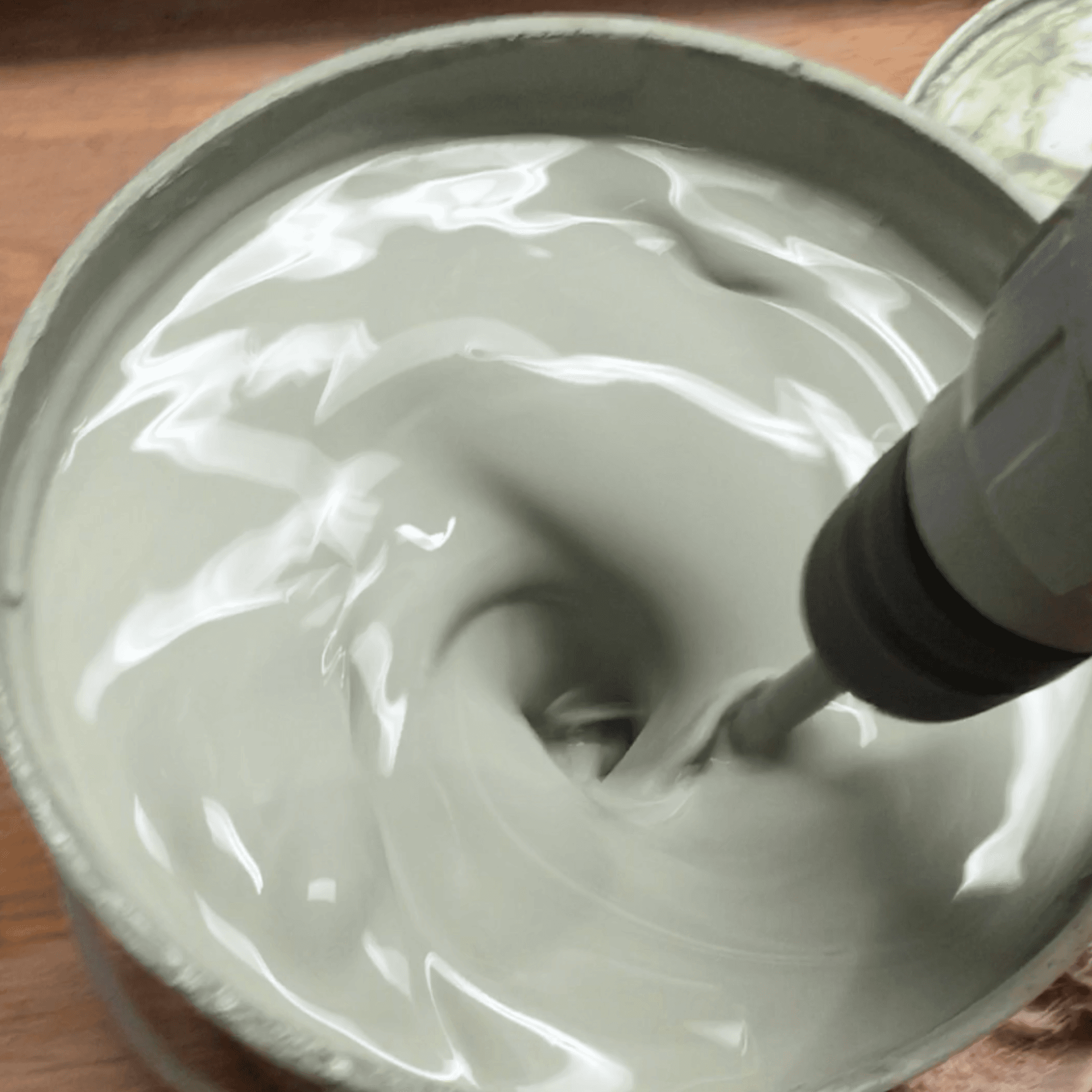
Slip ready for mixing, testing, casting, or blending into new bodies or glazes.
Of course I like the final pieces, but that’s not why I keep doing this.
What pulls me in is watching matter change its rules. It’s what happens when matter is pushed to its limits.
At high temperatures, materials stop behaving the way you expect them to. A small change in temperature can completely change how things react.
A few hundred degrees, especially at higher ranges, make a massive difference. Minerals melt, move, release gases, collide with each other. Colors shift. Surfaces crack. Glazes do things you didn’t plan.
This is where physics and chemistry stop being abstract ideas. You’re watching atoms behave.
And then there’s the cooling. Cooling is not just the end of the process. It’s when everything that happened becomes visible.
When the piece hardens, you’re not looking at decoration. You’re looking at a memory.
Heat. Time. Tension. Cooling curves. Decisions. Mistakes.
That’s why every piece has a different character, even when I try to repeat something.
That’s also why I test so much. Why I build my own clay. Why I mix my own glazes. Why I fire pieces multiple times, sometimes until they break.
A piece needs to say something to be considered finished. Sometimes I stop because pushing it further would destroy it.
I don’t believe in perfection. Perfection assumes stillness, and nothing here is still. A ceramic piece stops melting, but it never stops changing.
What interests me is witnessing how matter behaves when it’s stressed, heated, cooled, and pushed again and again.
That’s what ceramics gives me: a constant feedback loop between the world at living temperatures and what comes back from extreme heat.
" height="348.1284805327614px" id="uZbe5IwZS" transform="translate(0 -0.13)" width="358.99964134645063px"/></svg>)