" height="348.1284805327614px" id="uZbe5IwZS" transform="translate(0 -0.13)" width="358.99964134645063px"/></svg>)
Fermentation & Food Craft
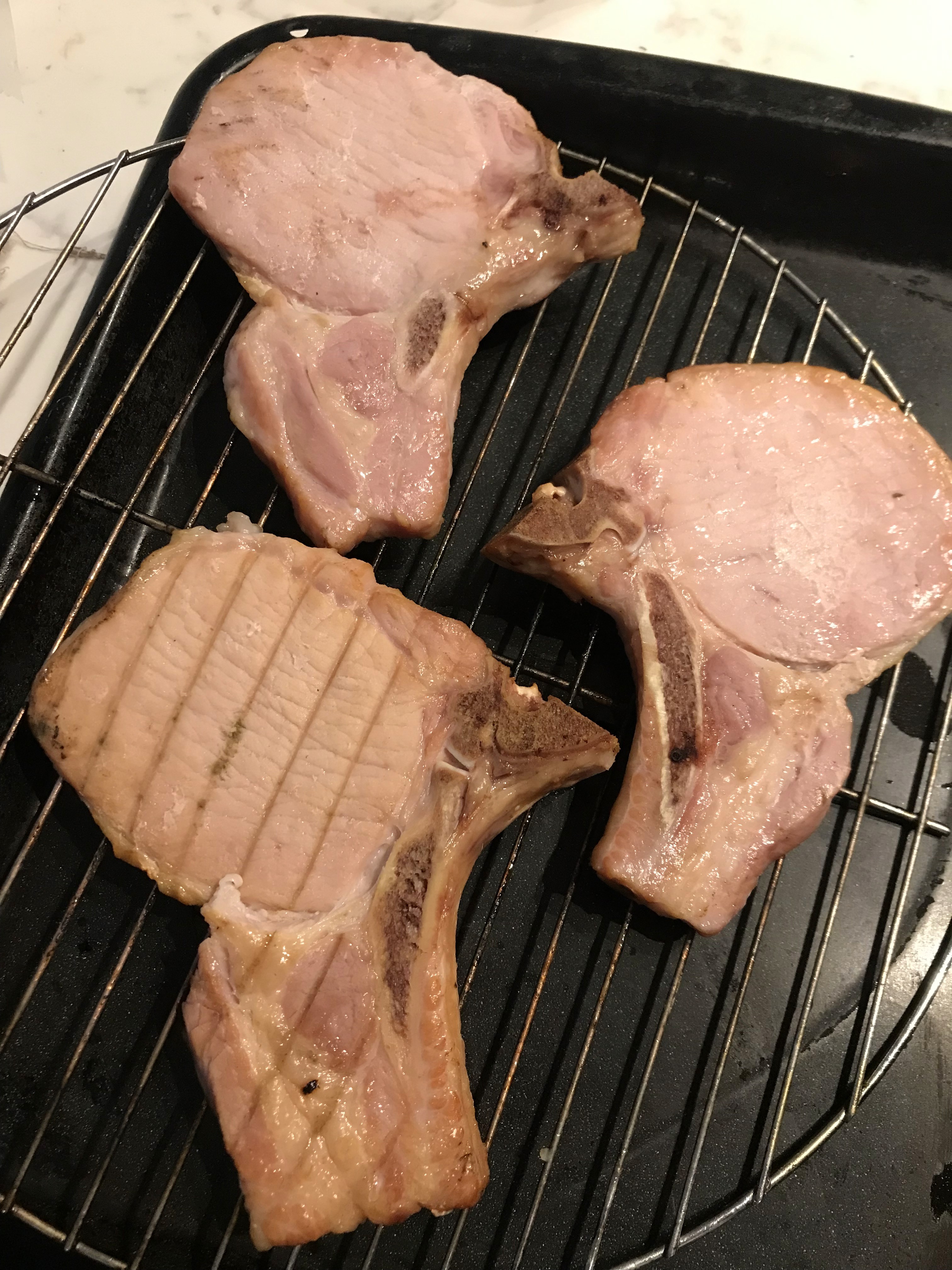
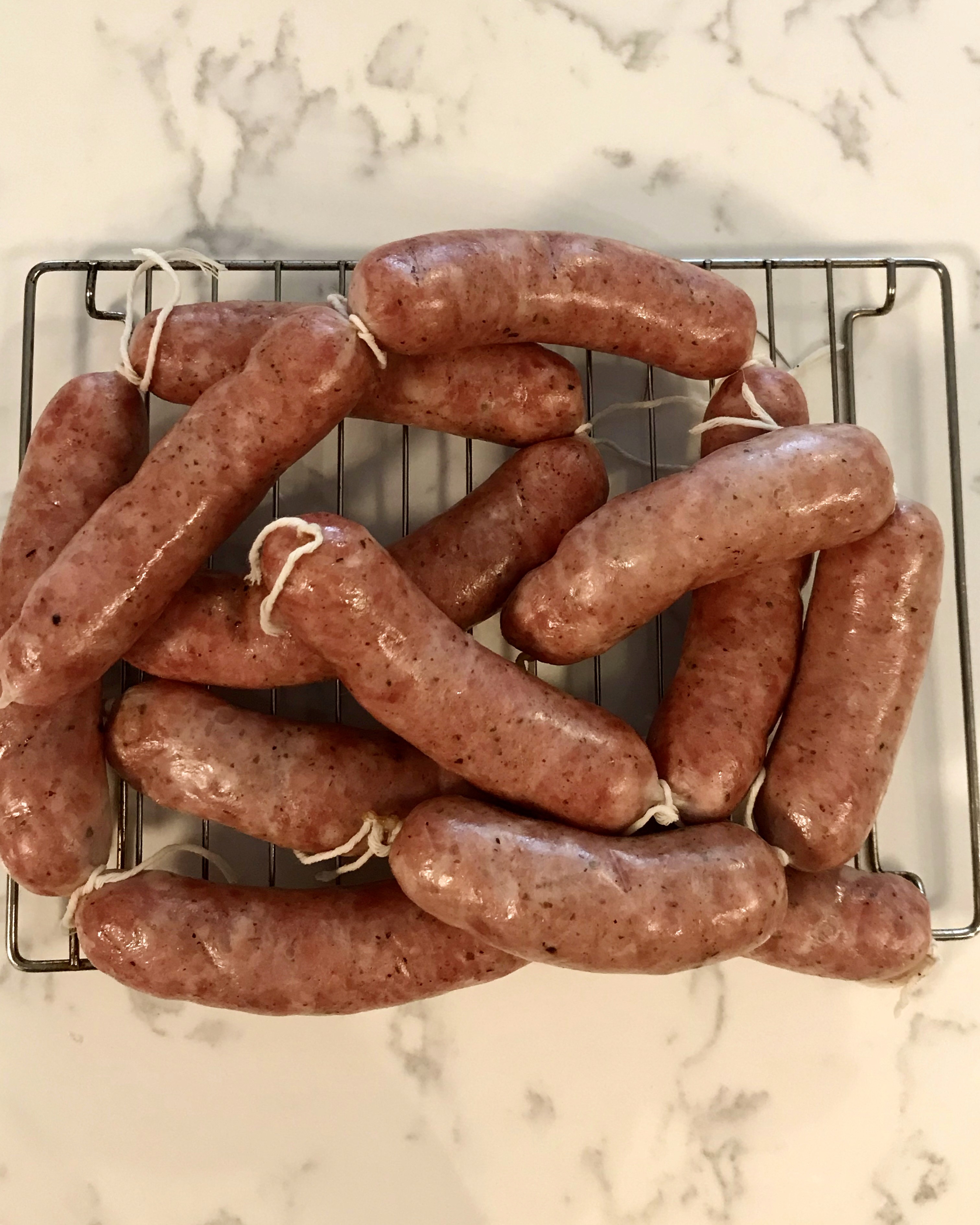
Homemade sausage.
Butchery + craft, done patiently. Smoked and rested overnight.
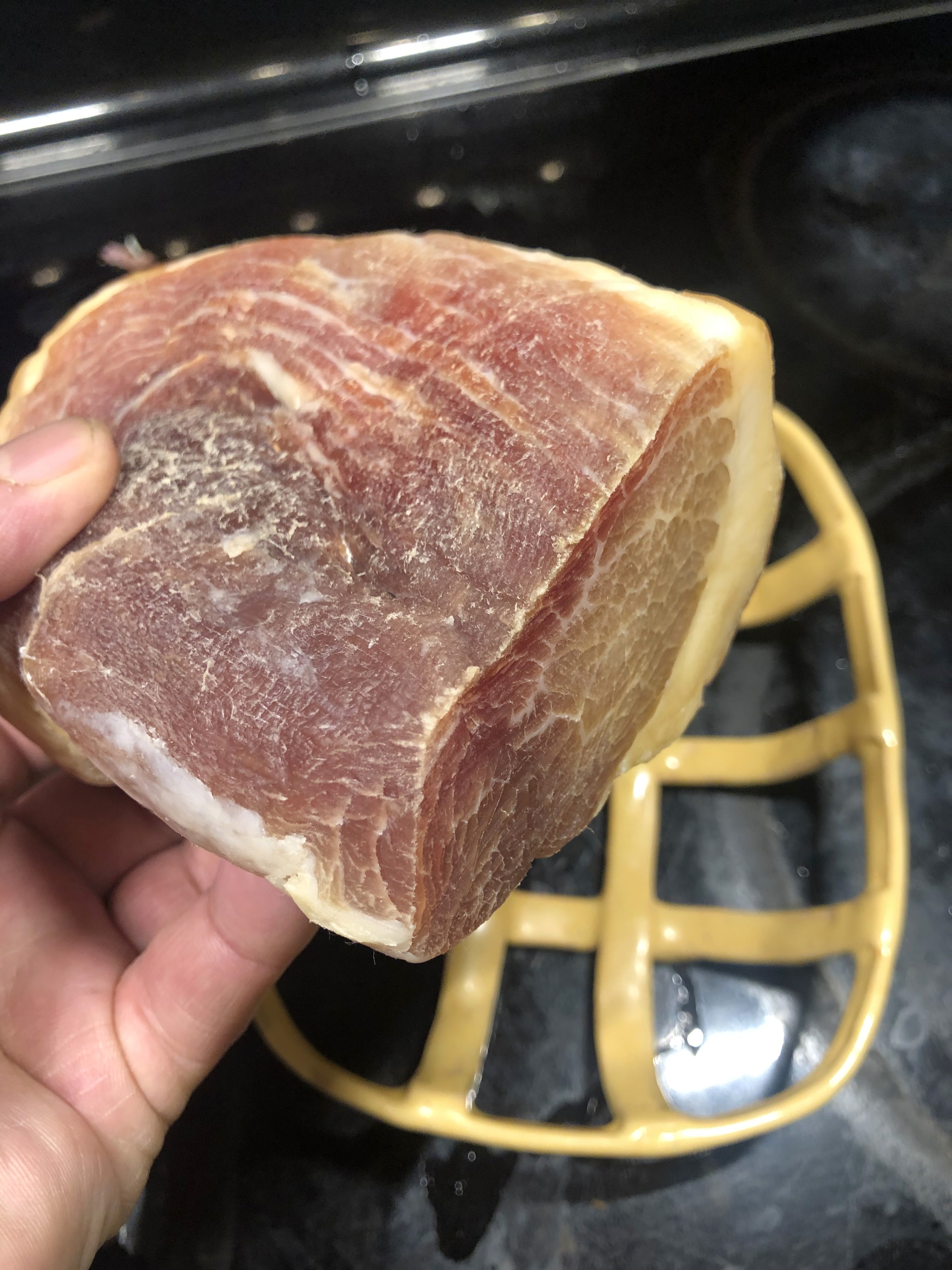
Cured ham, Mediterranean Spanish style (Jamón Serrano).
Salt. Time. Air. Very, very good.
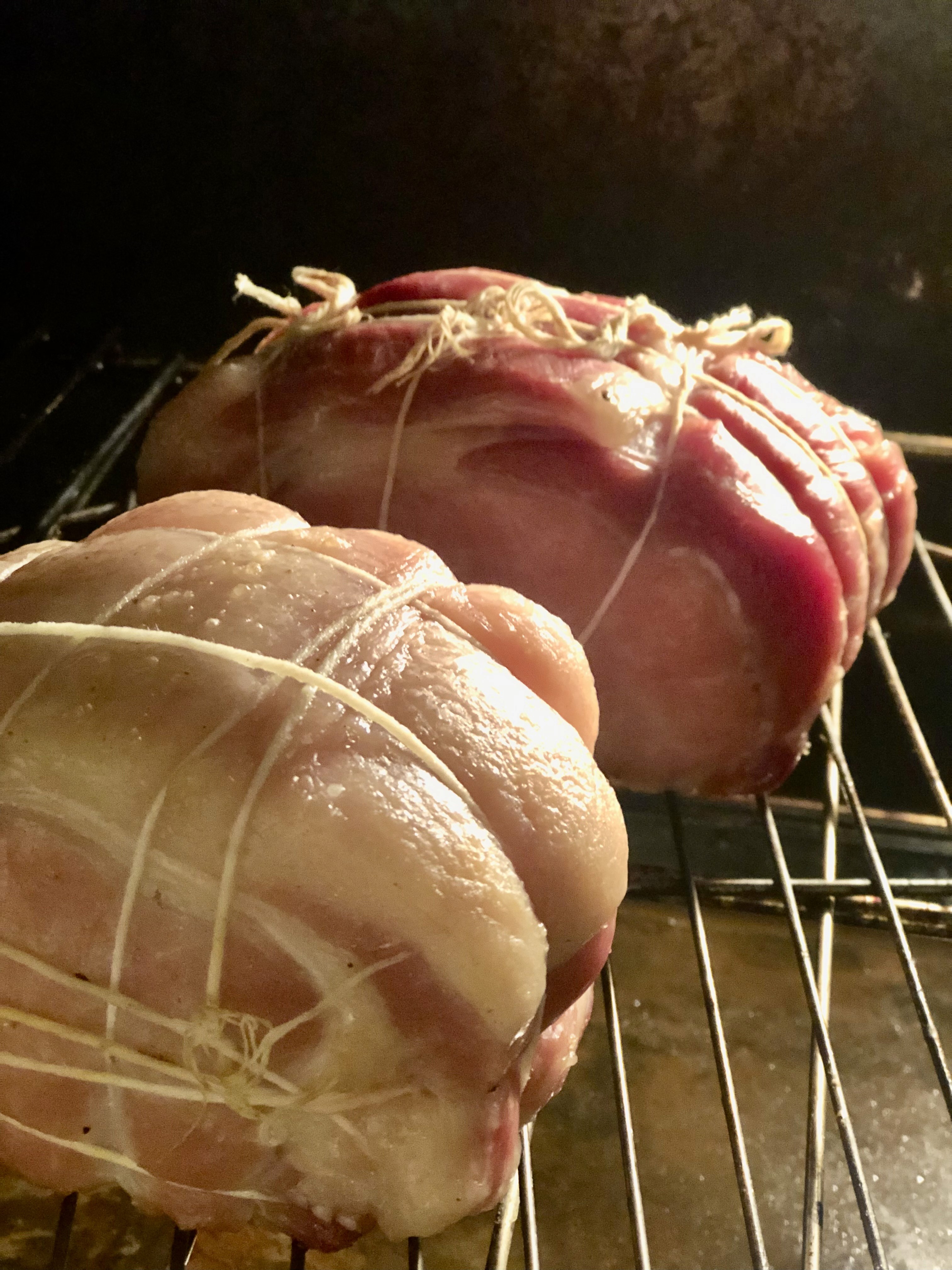
Raw pork, steam-cooked for six hours. Low heat. Long time.
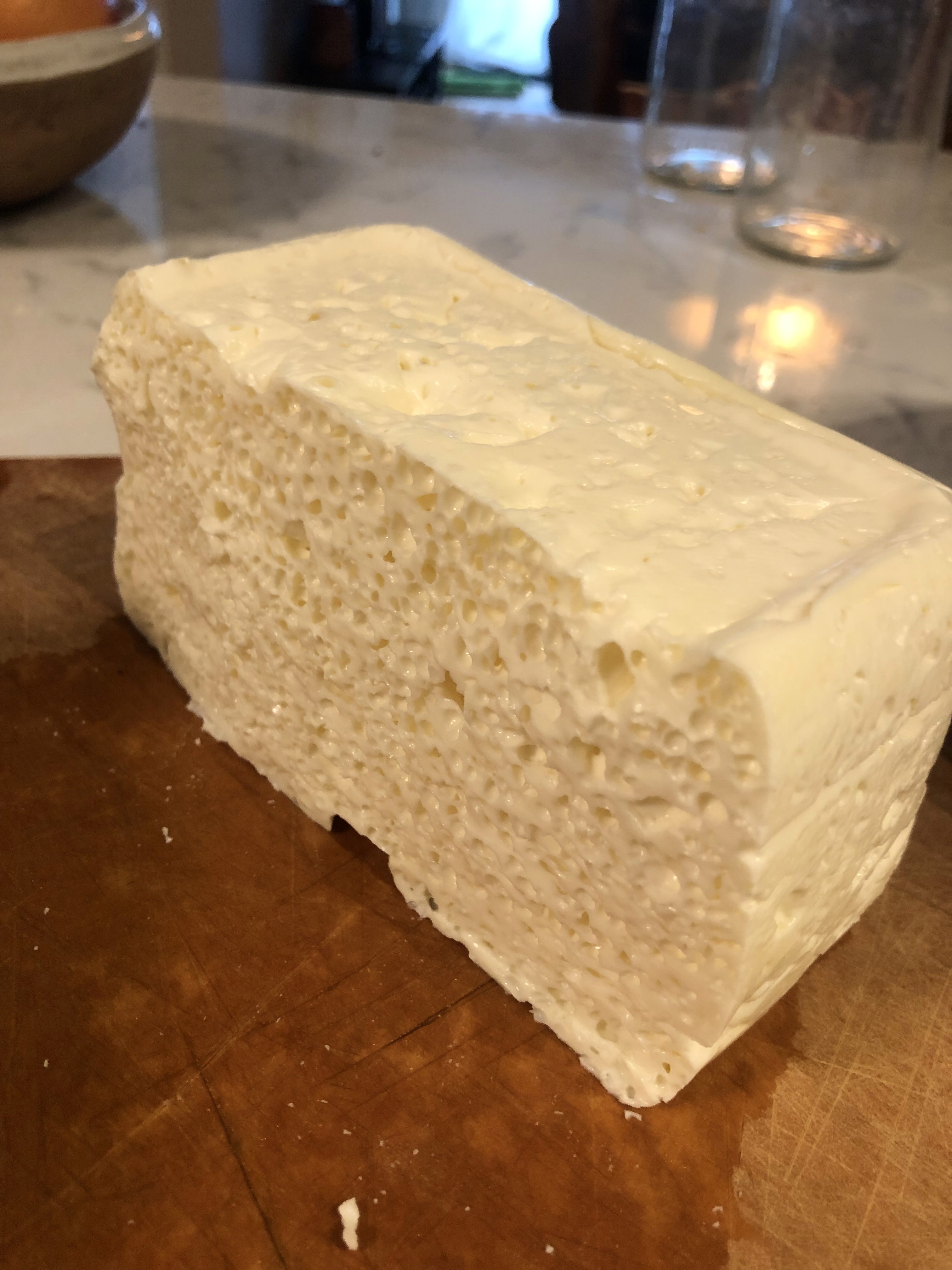
Homemade Palmi-Zulia, Venezuelan fresh cheese.
Made with local milk, time, and a controlled atmosphere.
I started fermenting because I wanted to understand one of the oldest technologies humans ever developed.
We began fermenting food around 10,000 years ago
It lets time, microbes, and care transform food into something more stable, digestible, and meaningful.
• Milk turns into something else.
• Meat becomes stable in air.
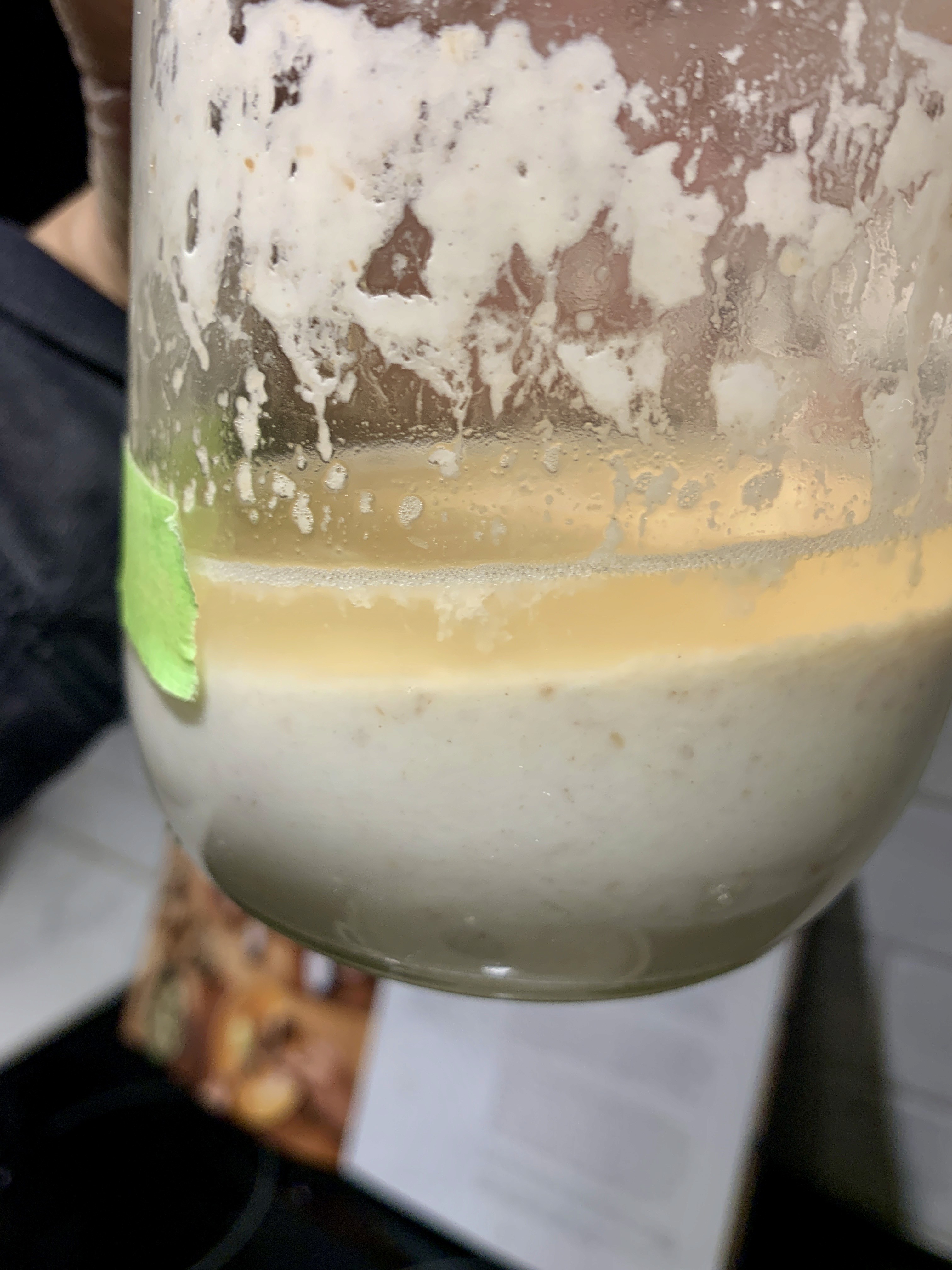
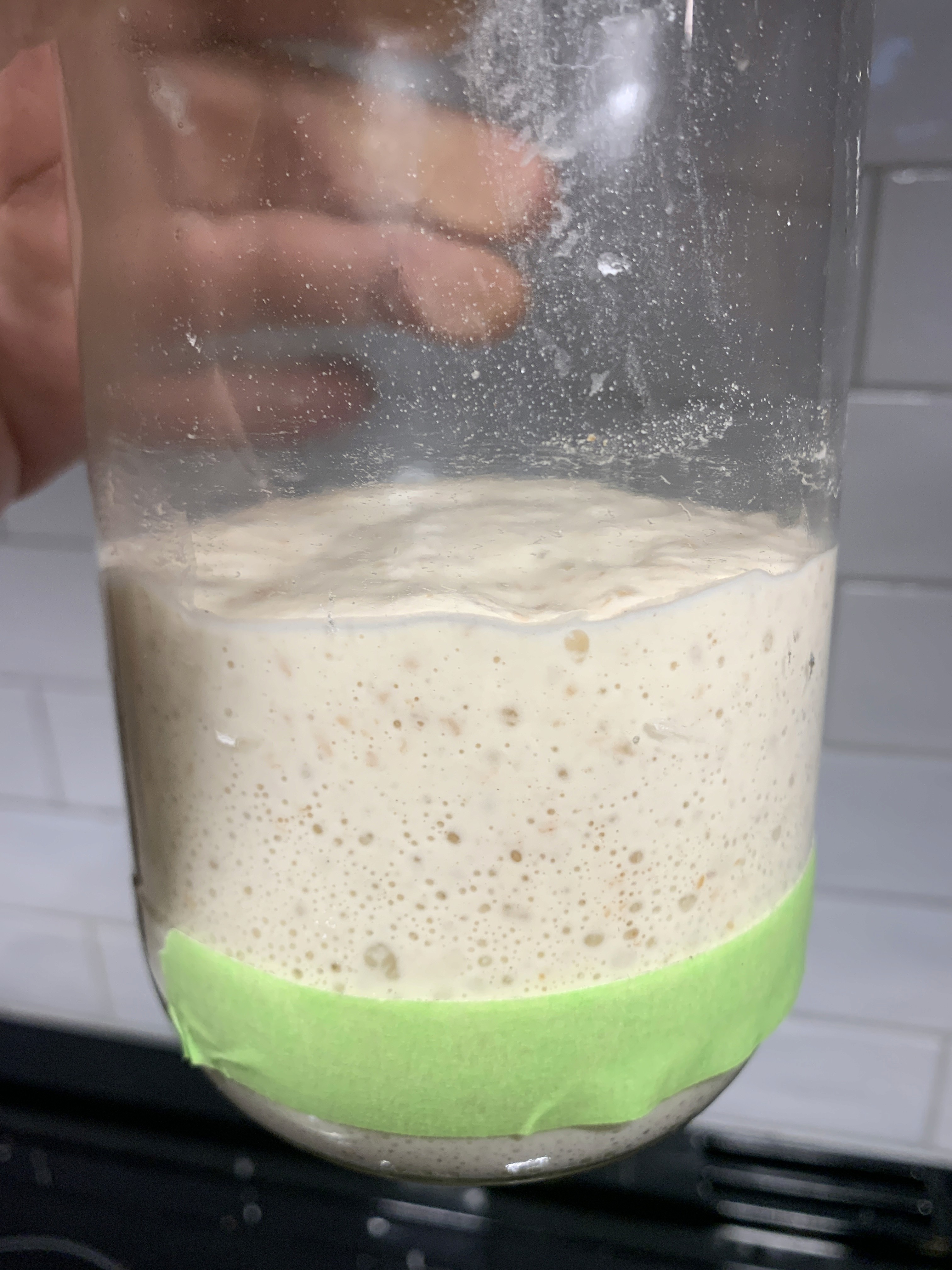
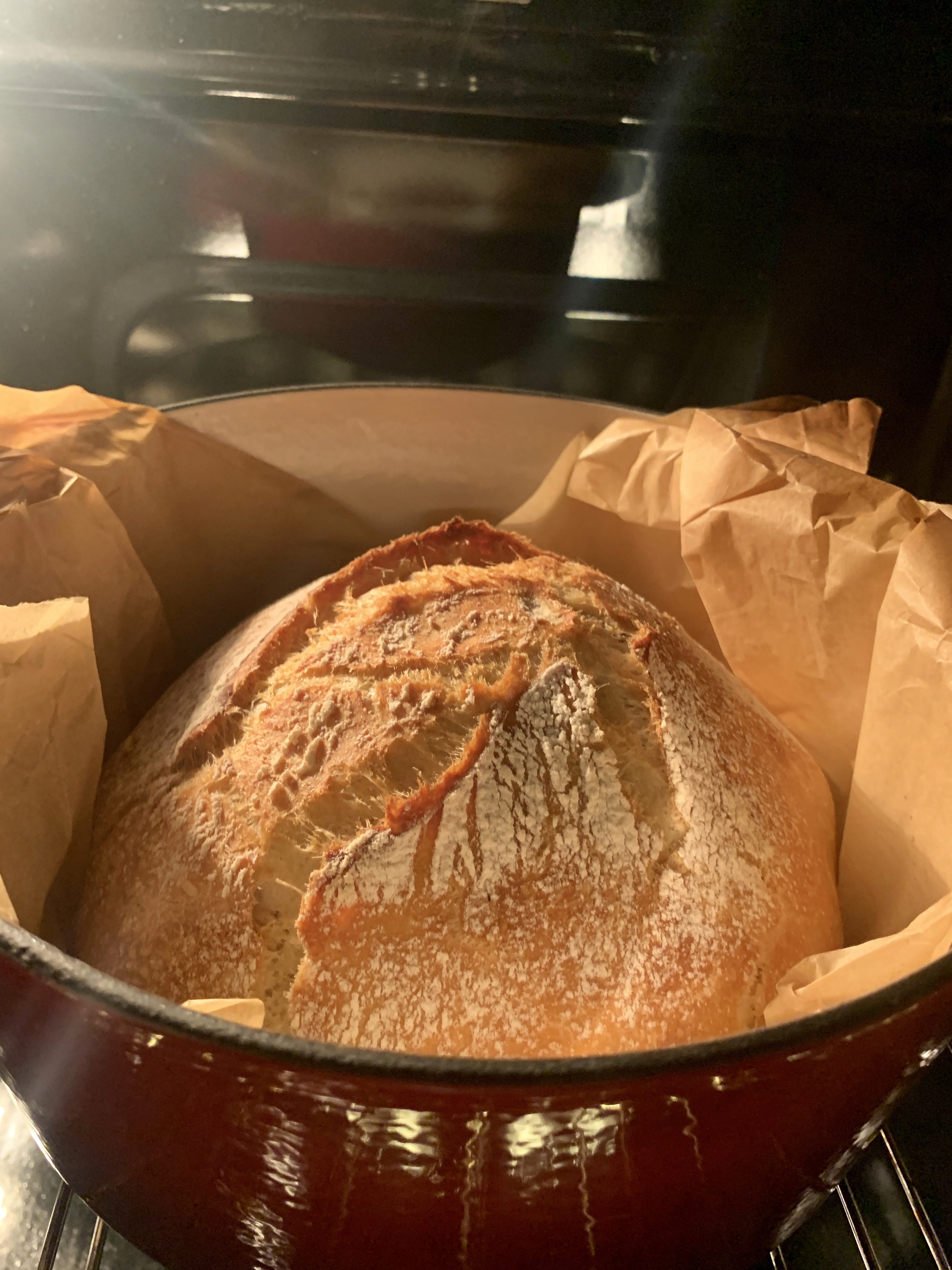
• Dough feeds itself before it feeds you.
Salt, temperature, humidity, and time which matters more than anything.
A small change in any of these can shift the outcome completely. Sometimes in your favor. Sometimes not.
That’s where experimentation starts.
You learn when to intervene and when to leave things alone.
When something works, the result isn’t just flavor.
It’s like a new confidence. It’s understanding why it worked and when it doesn’t.
That’s why I keep fermenting.
Not for tradition. Not for nostalgia.
But because it’s one of the few places where food still teaches you how to listen.